Listening
1a) Listen and understand
Listen to and understand the main points and key details from a range passages including complex language and reference to past and future tenses.
1b) Listen and recount
Listen to and recount from memory familiar stories, songs, rhymes and poems.
1c) Identify sound-spelling link
Listen and apply knowledge of phoneme/grapheme links to help understand more complex extended sentences.
1d) Transcribe
Listen to and write extended sentences with complex structures mostly accurately by applying phonic knowledge.
Reading
2a) Read
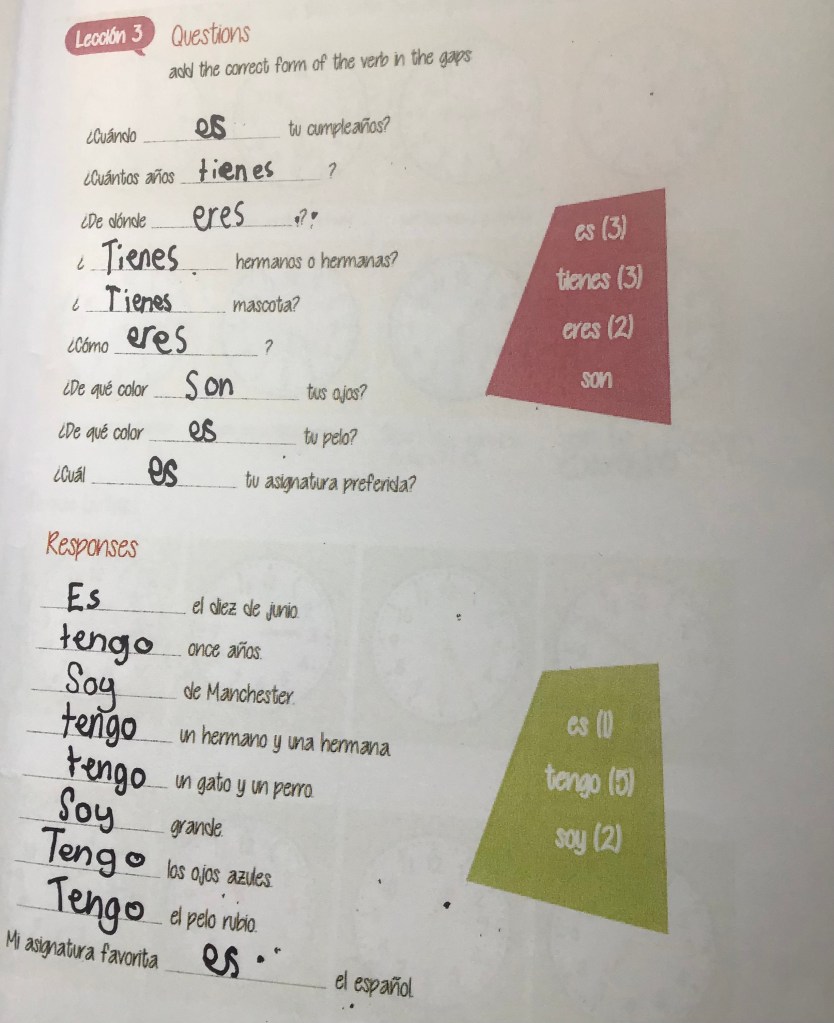
Read and understand a variety of texts including extended and complex sentences on a range of familiar topics.
2b) Read aloud
Read aloud from a variety of different types of texts including some unfamiliar language confidently with good expression. Broaden vocabulary through reading more widely.
2c) Use reference materials
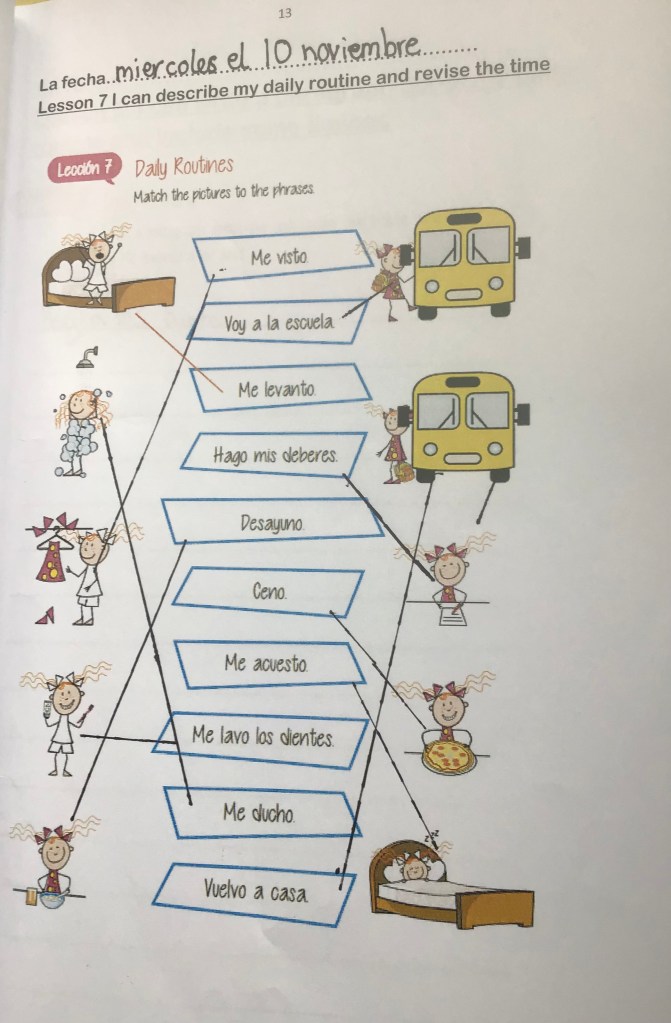
Use a dictionary to find the meaning of unfamiliar nouns, adjectives and verbs from English to French/Spanish and French/Spanish to English.
2d) Apply phonic knowledge
Read both familiar and new words, phrases and sentences aloud with understandable pronunciation applying phonic knowledge.
Speaking
3a) Speak
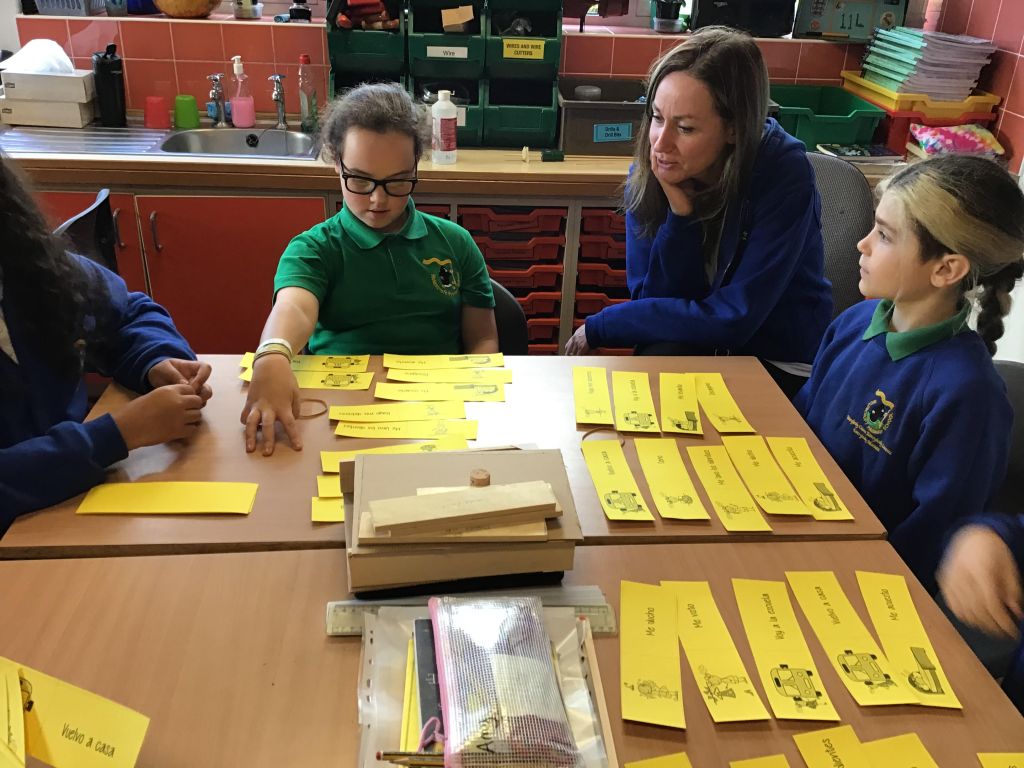
Use extended and complex sentences with more detailed information independently, sometimes from memory, including presenting to an audience, on a range of familiar topics with good pronunciation and intonation and increasing confidence, fluency and spontaneity.
3b) Listen and Speak
Take part in short conversations using familiar structures and vocabulary. Can adapt models successfully to give an extended response including reference to the past and future.
Writing
4a) Write with support
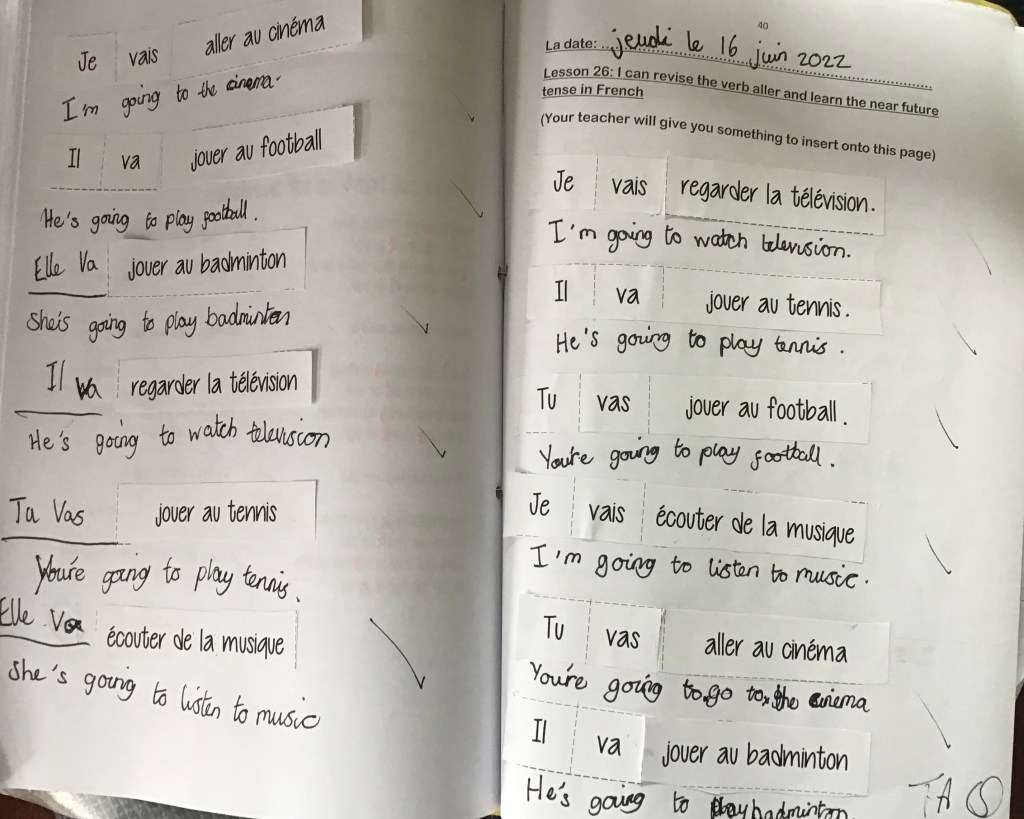
Write extended texts accurately on a few topics using a sentence builder or writing frame for support and including unfamiliar words found in a dictionary.
4b) Write independently
Write extended sentences including complex structures to create a text from memory, on familiar topics for different purposes with mostly accurate spelling.
4c) Adapt a written model
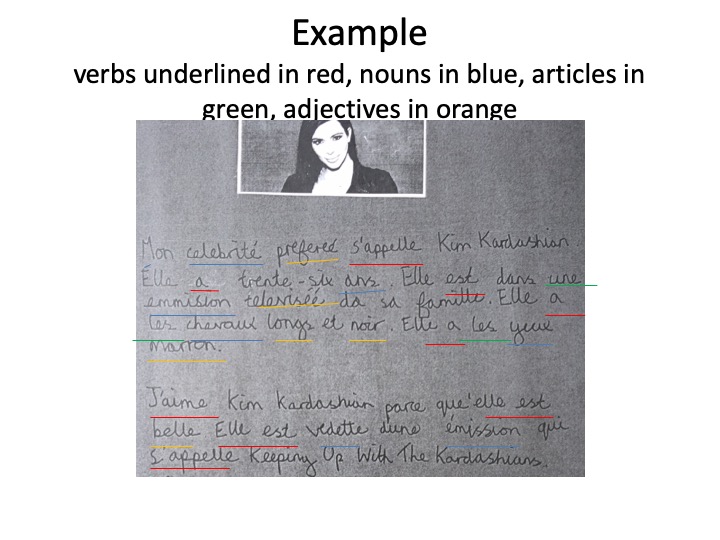
Use a text with complex structure as a model for an independent piece of writing on familiar topics, using reference materials to proof read to improve accuracy.
4d) Translate
Translate texts including subordinate clauses or complex language from French/Spanish to English and English to French/Spanish including the use of a dictionary or supporting resource.
Cultural Capital
5a) Cultural capital
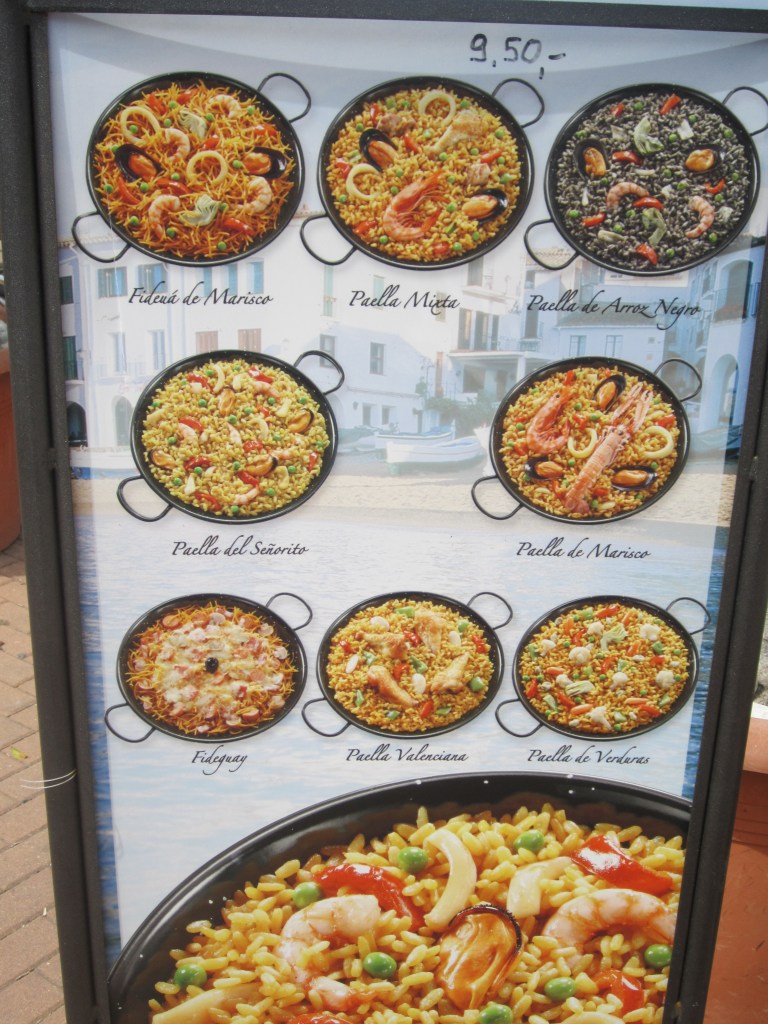
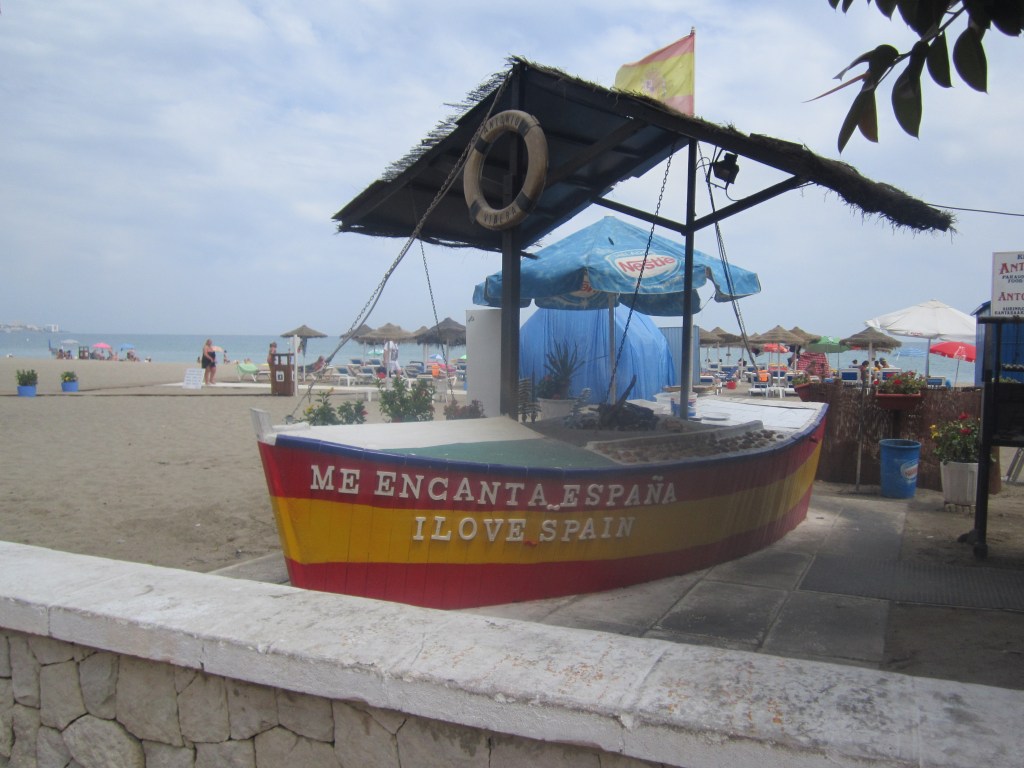
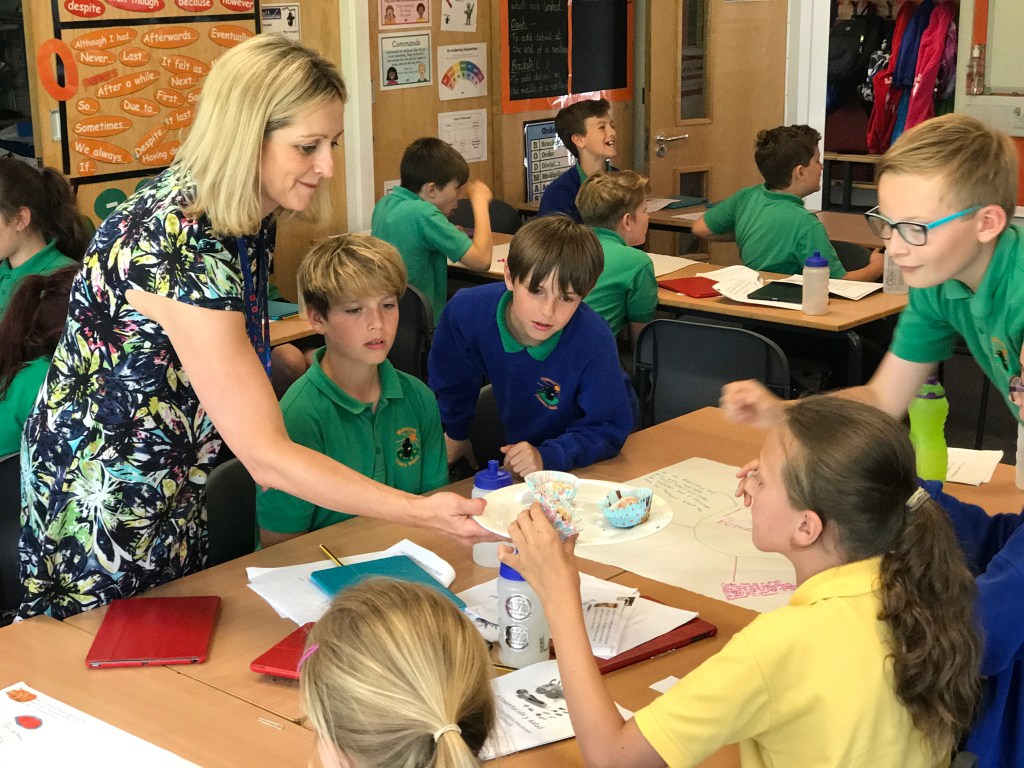
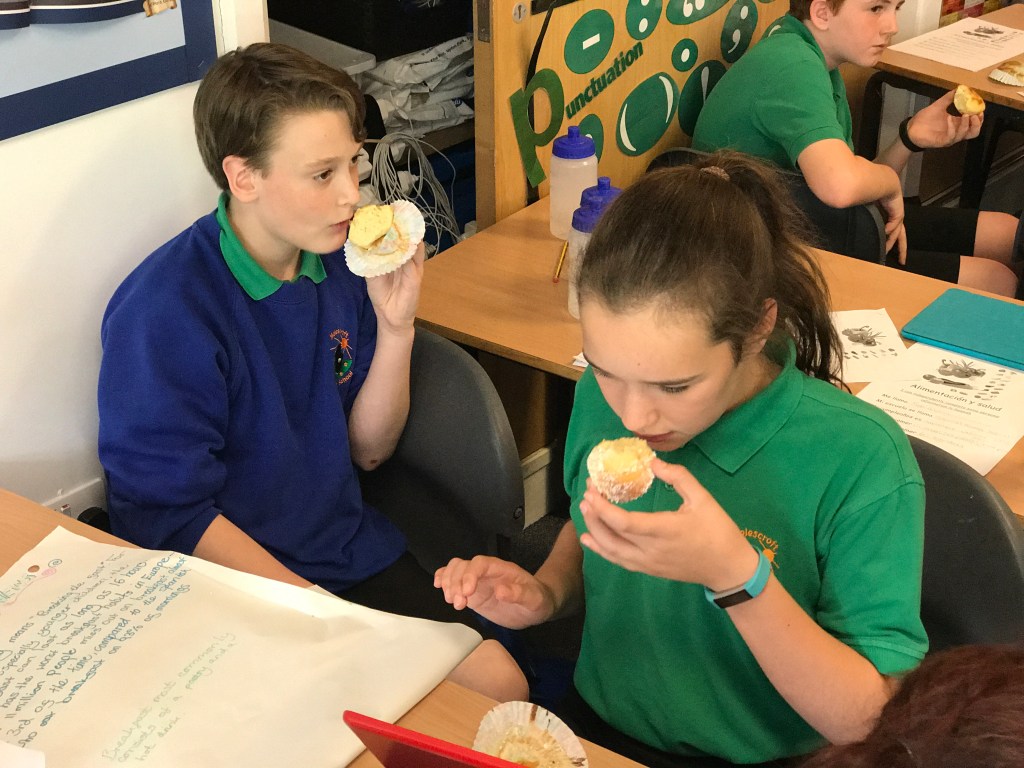
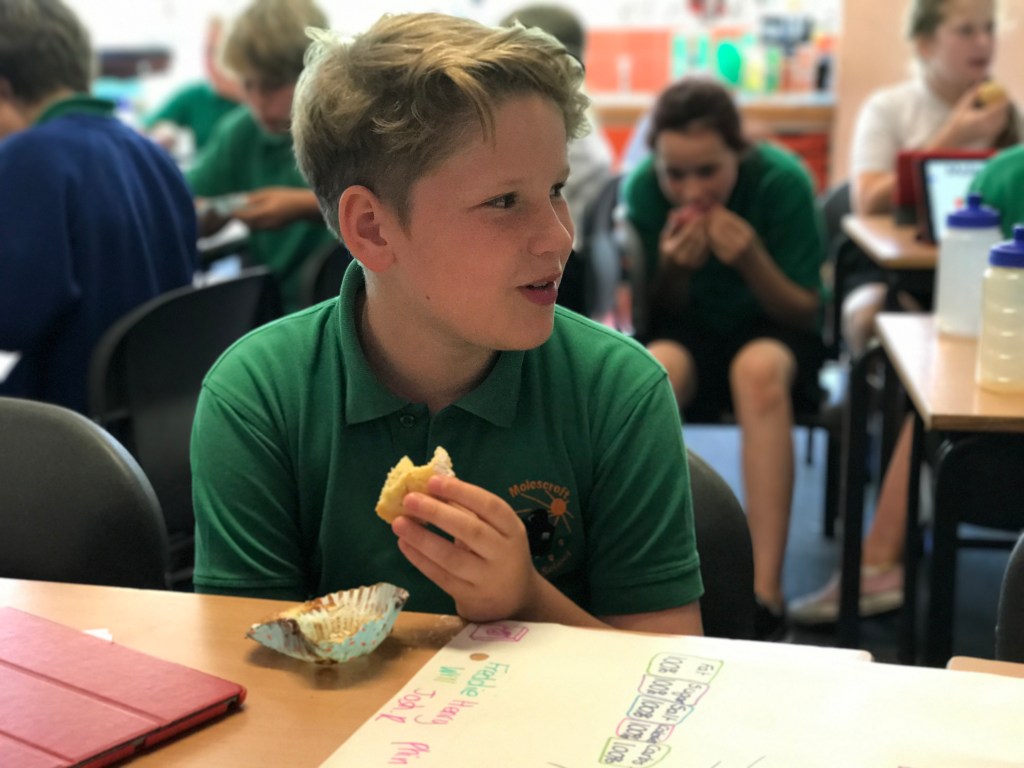
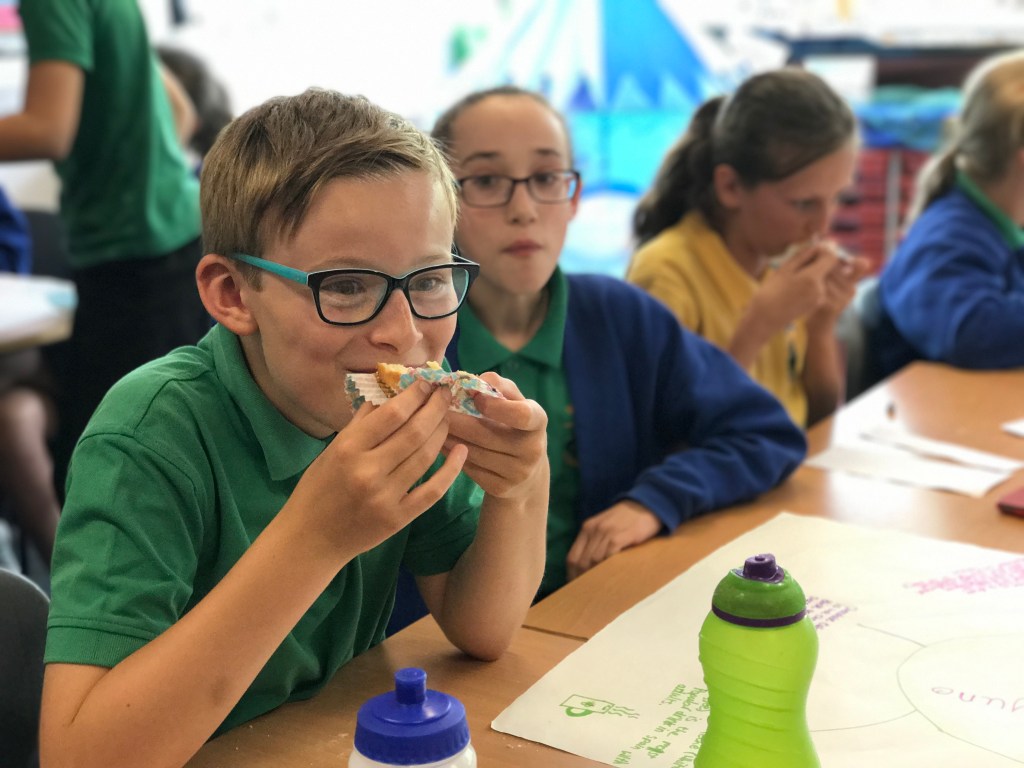
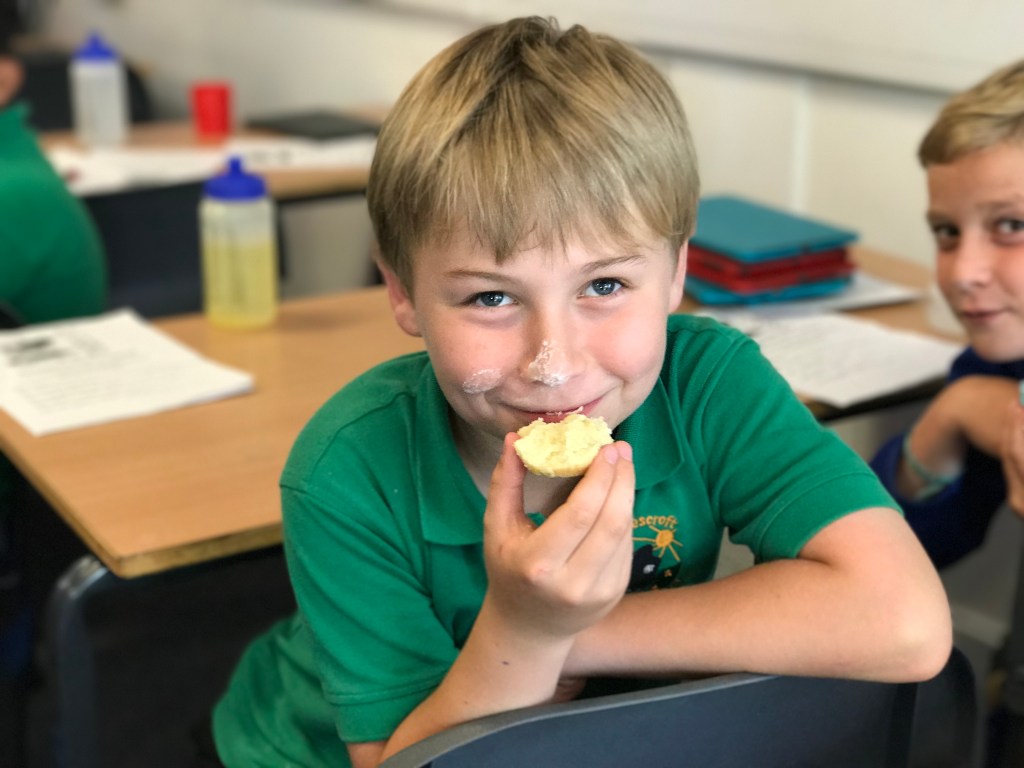
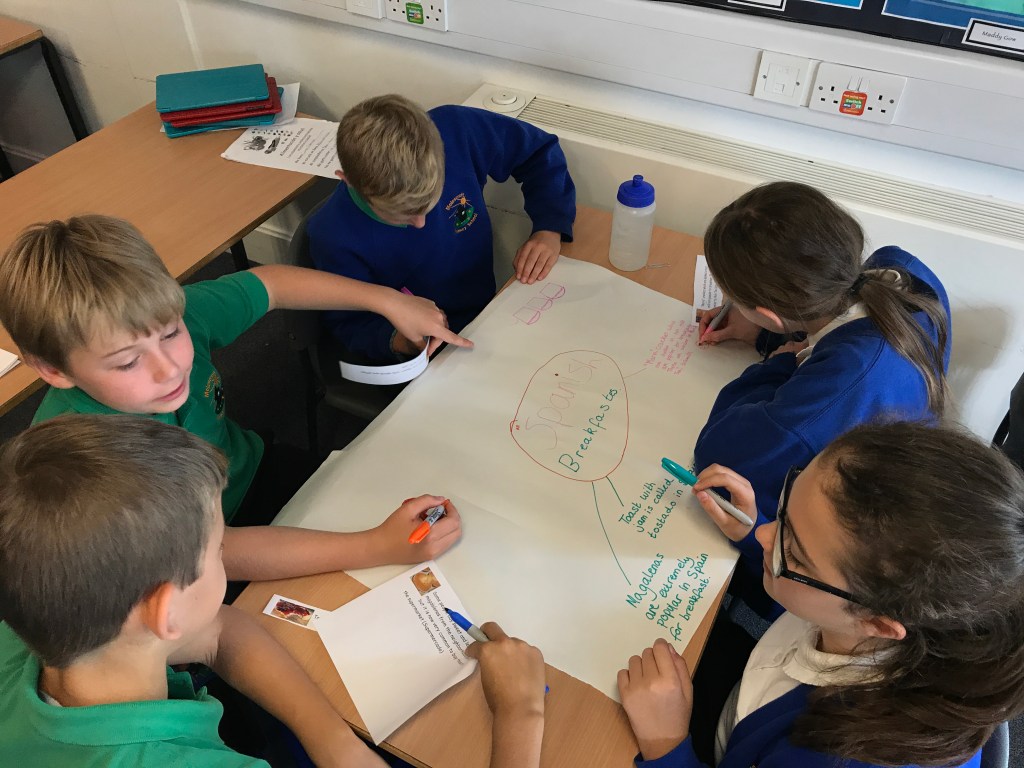
Deepen children’s understanding of the wider French/Spanish speaking world and beyond. Ordering food in authentic setting. Independent research into a French/Spanish peaking country. A global focus including authentic resources such as French/Spanish menus. Children’s lives around the world.


 PERLE
PERLE 