Listening
1a) Listen and understand
Listen to and understand basic phrases and/or questions and identify key points in a few short, spoken sentences.
1b) Listen and recount
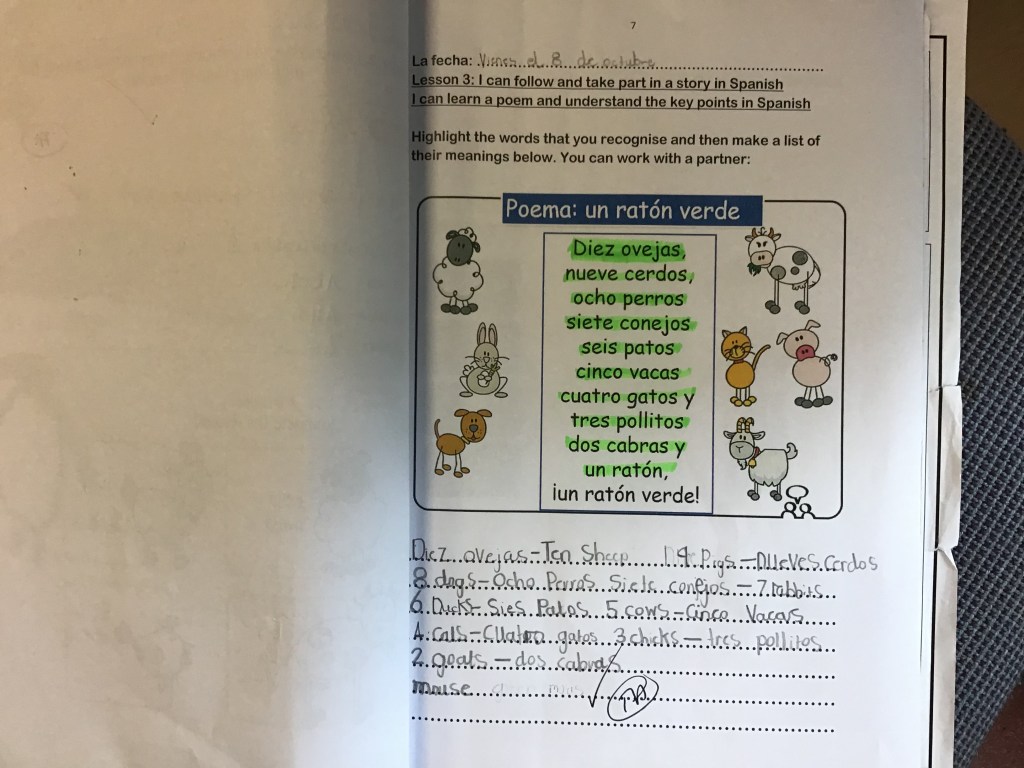
Join in the re-telling of simple stories, songs, rhymes or poems including the use of visual cues or prompts.
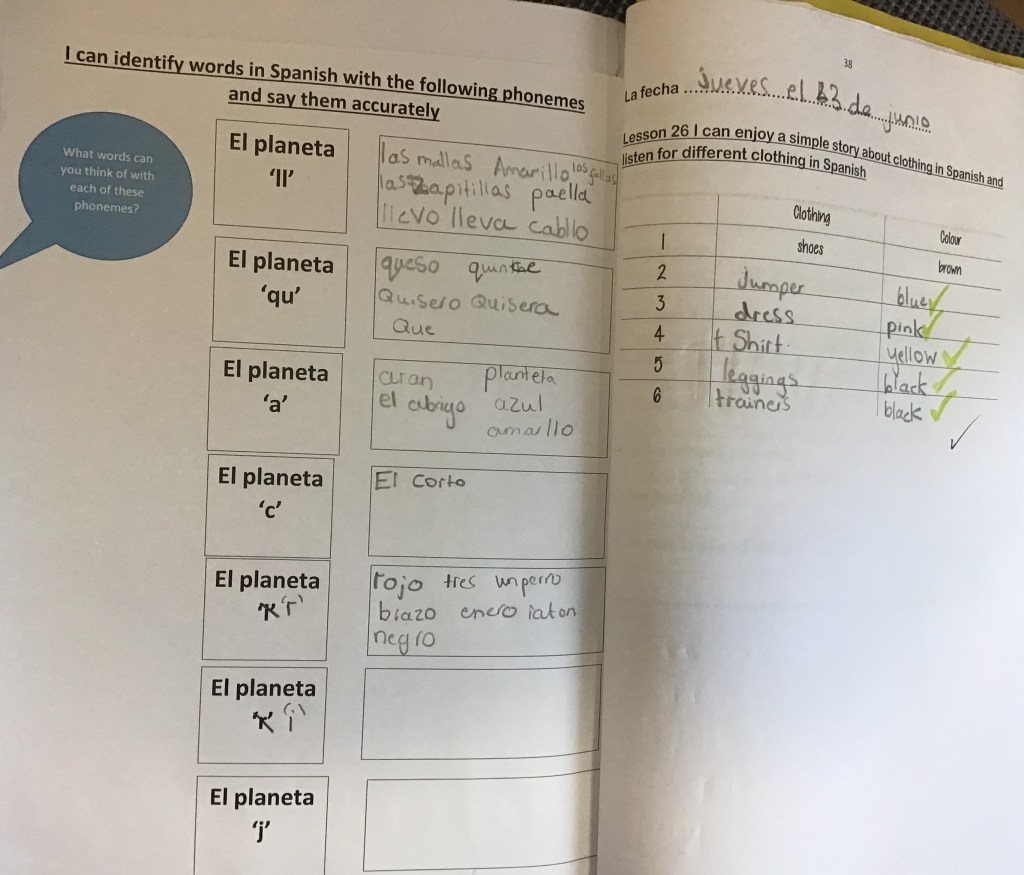
1c) Identify sound-spelling link
Use strings of phoneme/grapheme links to help understand new words and short phrases.
1d) Transcribe
Listen to high-frequency familiar words and phrases and transcribe accurately.
Reading
2a) Read
Read and understand a range of familiar written phrases and simple sentences.
2b) Read aloud
Read aloud a series of sentences with accurate pronunciation and intonation.
2c) Use reference materials
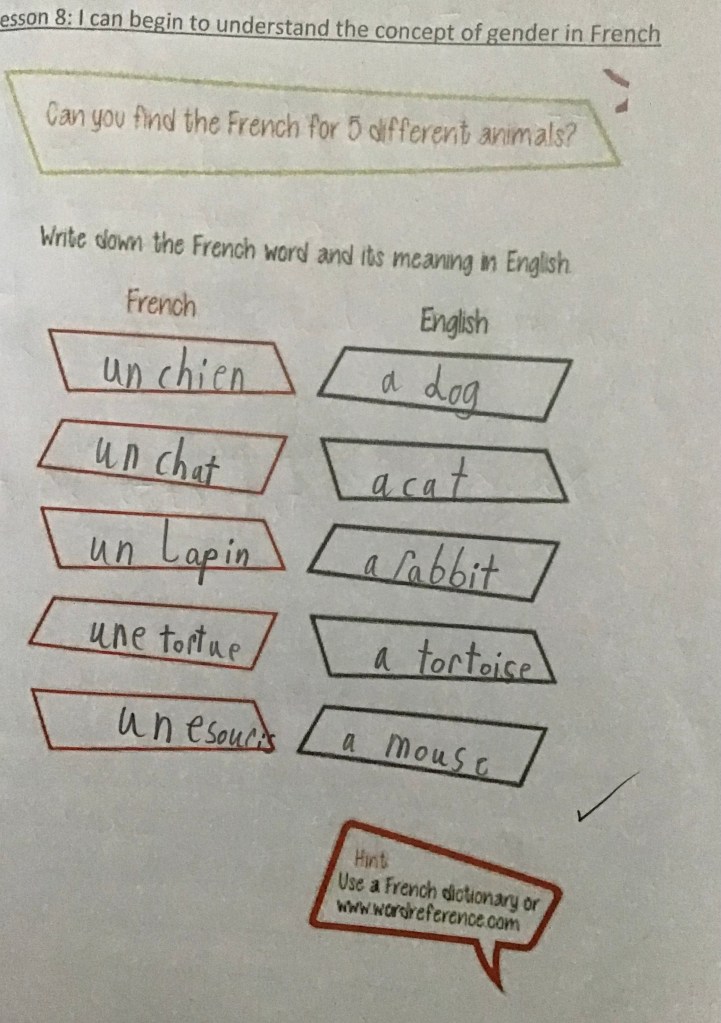
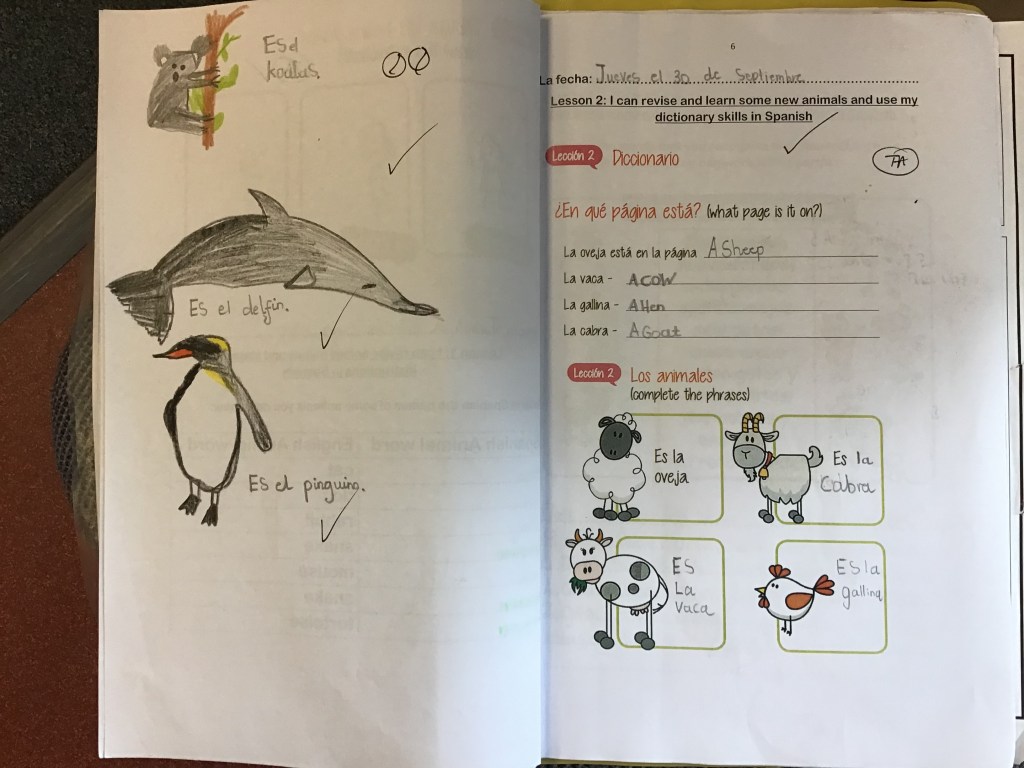
Use a dictionary to find the meaning and gender of nouns from English to French/Spanish and French/Spanish to English.
2d) Apply phonic knowledge
Apply phonic knowledge to support reading and read words, with increasingly accurate pronunciation.
Speaking
3a) Speak
Produce short pre-prepared phrases on a familiar topic, with secure pronunciation and intonation.
3b) Listen and Speak
Take part in short dialogues about familiar topics with 2-3 exchanges with secure
pronunciation and intonation.
Writing
4a) Write with support
Write sentences accurately using support such as a sentence builder or word list to check spellings.
4b) Write independently
Write several short phrases or sentences from memory with understandable spelling.
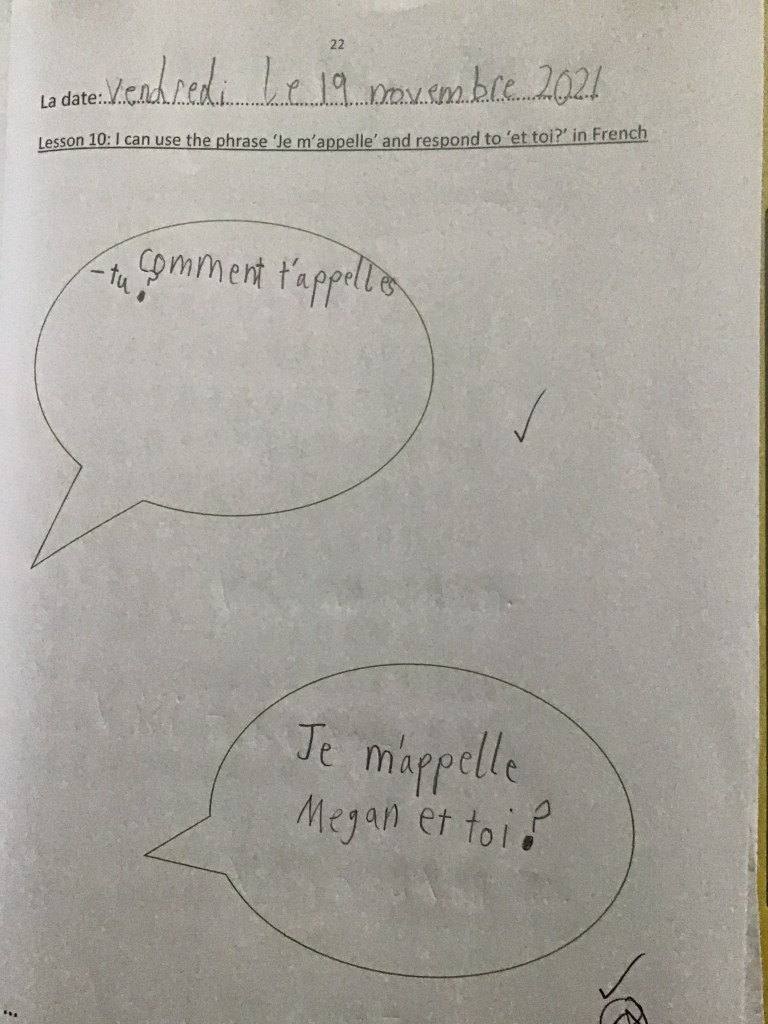
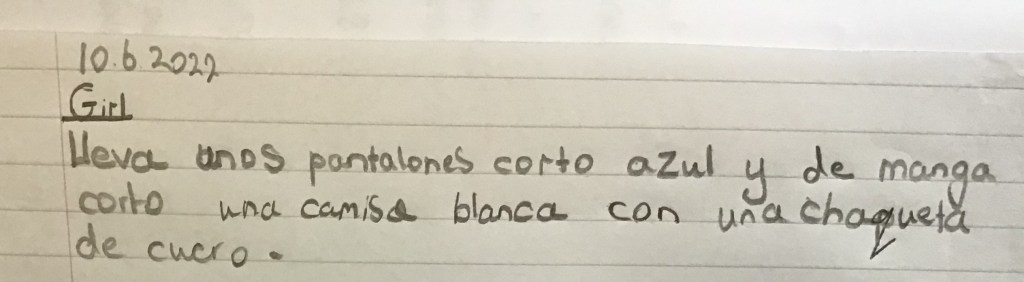
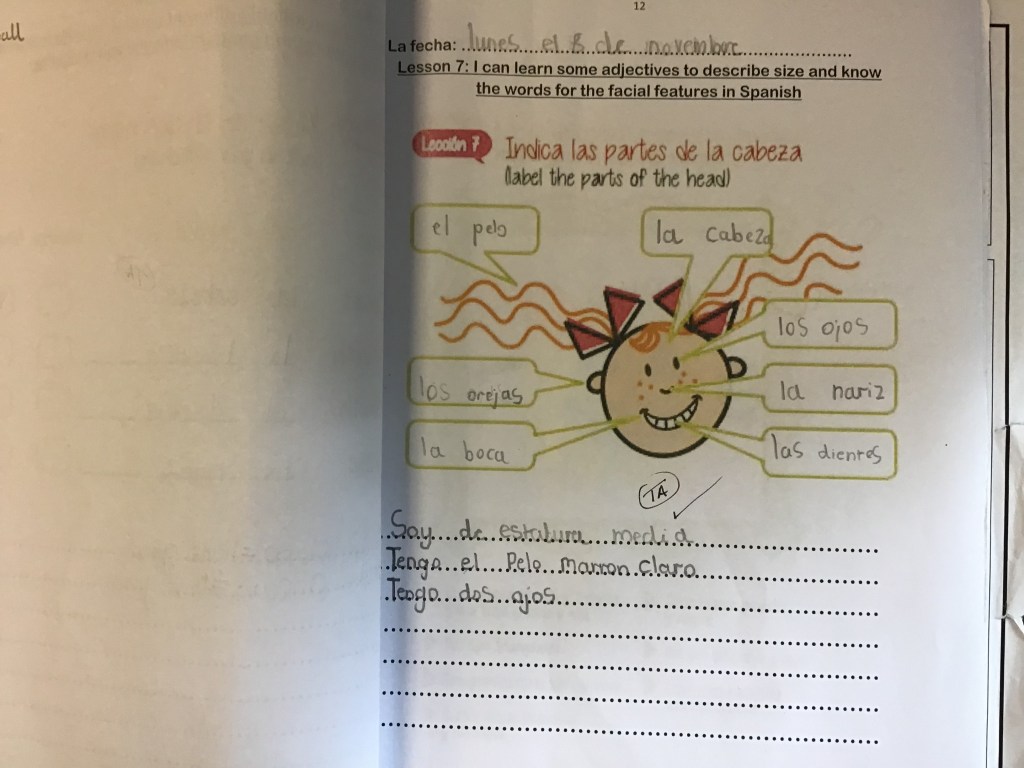
4c) Adapt a written model
Adapt different elements of a sentence to create new sentences using a sentence builder.
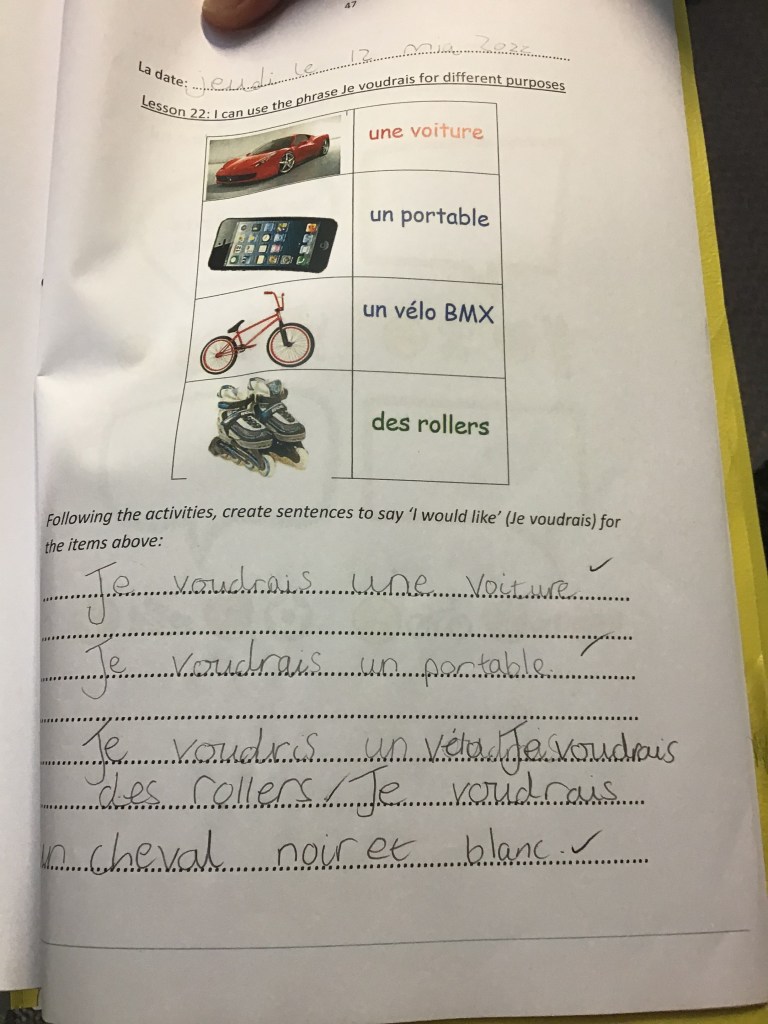

4d) Translate
Translate phrases or simple sentences from French/Spanish to English and English to French/Spanish including the use of a dictionary or supporting resource.
Cultural Capital
5a) Cultural capital
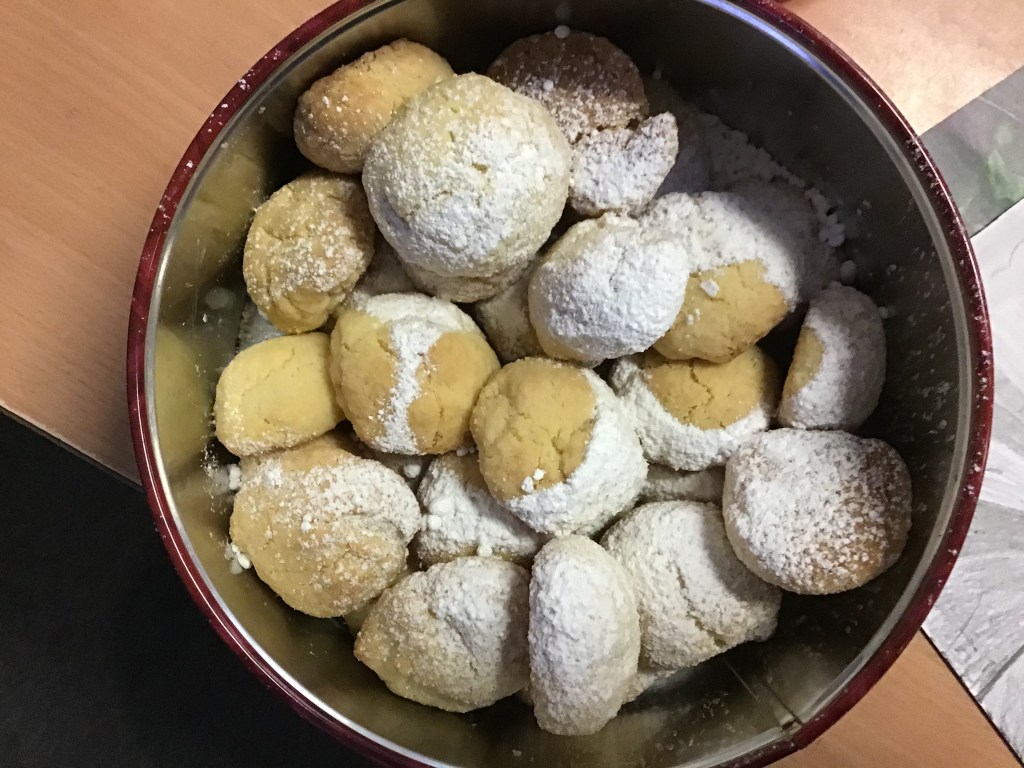
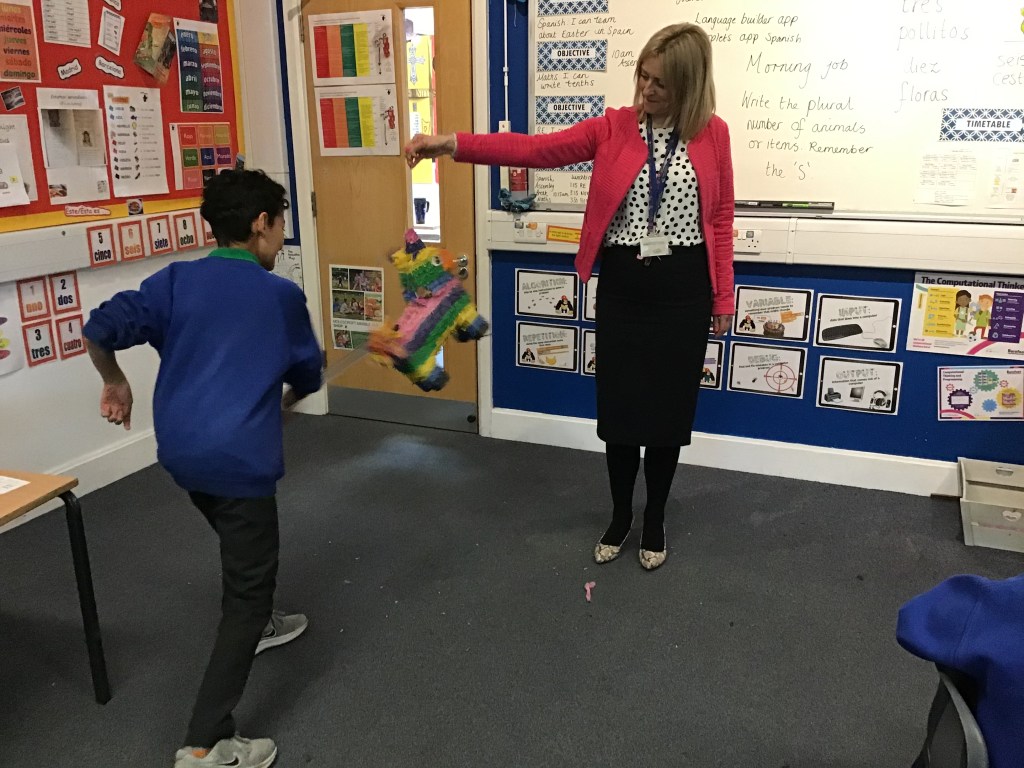
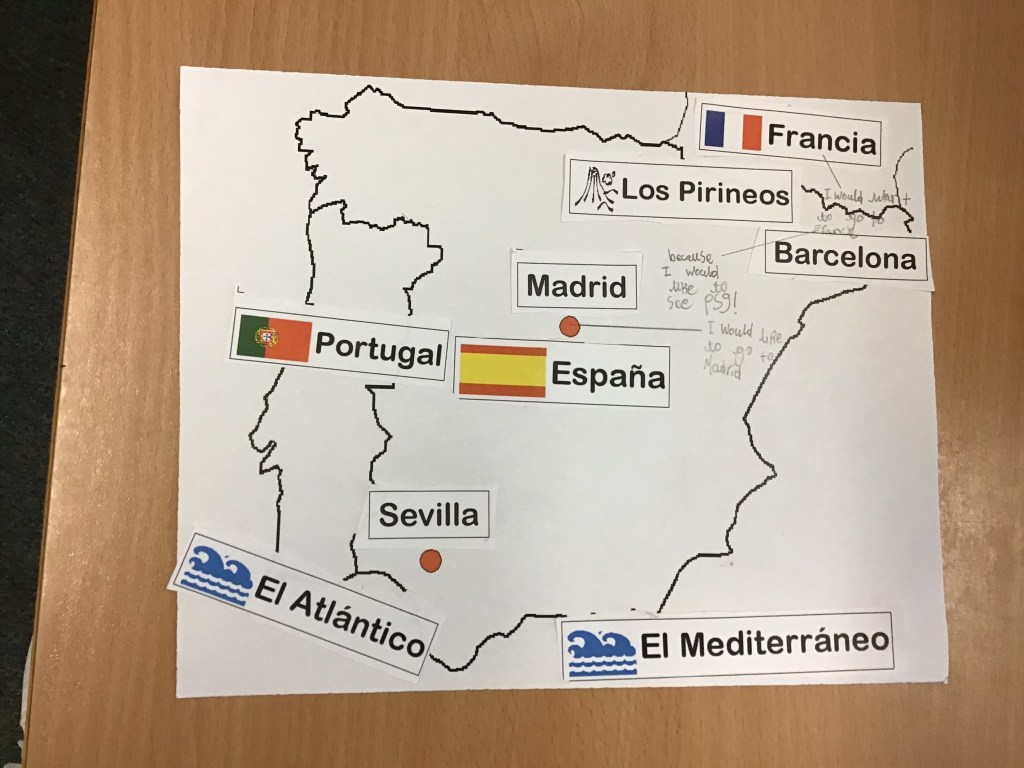
Foster children’s curiosity about life in France/Spain: an introduction to daily life in France/Spain. Typical customs and traditions e.g. April Fool’s Day. Appreciate authentic songs, poe


 PERLE
PERLE 