Listening
1a) Listen and understand
Listen to and understand familiar spoken words and phrases.
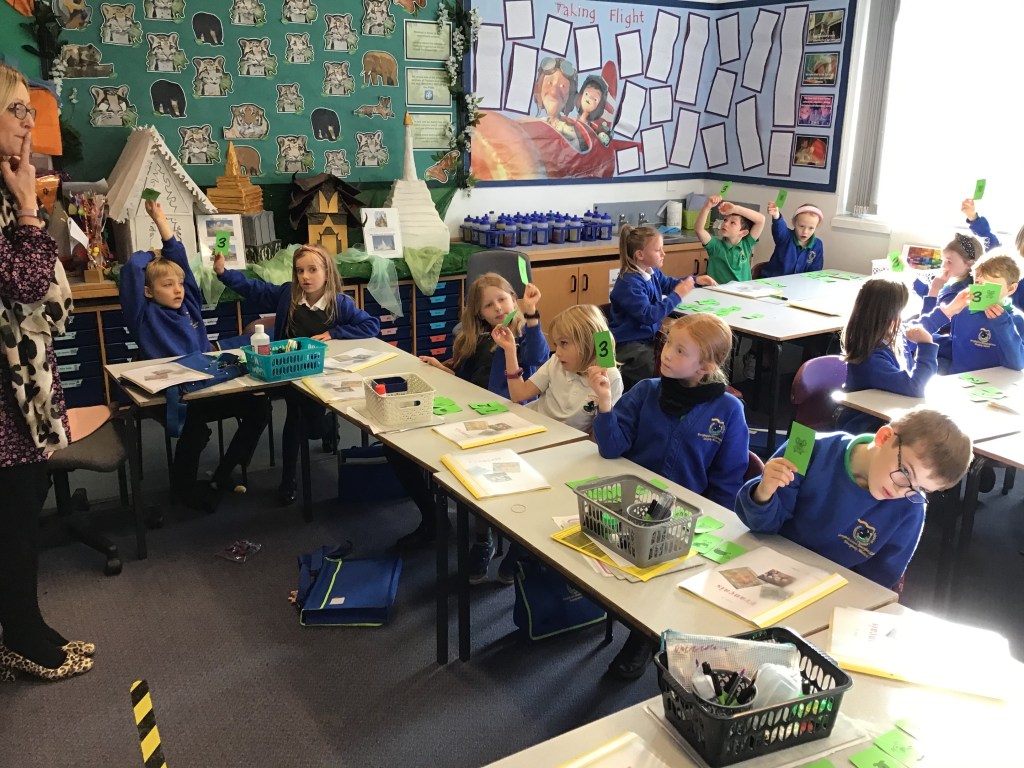
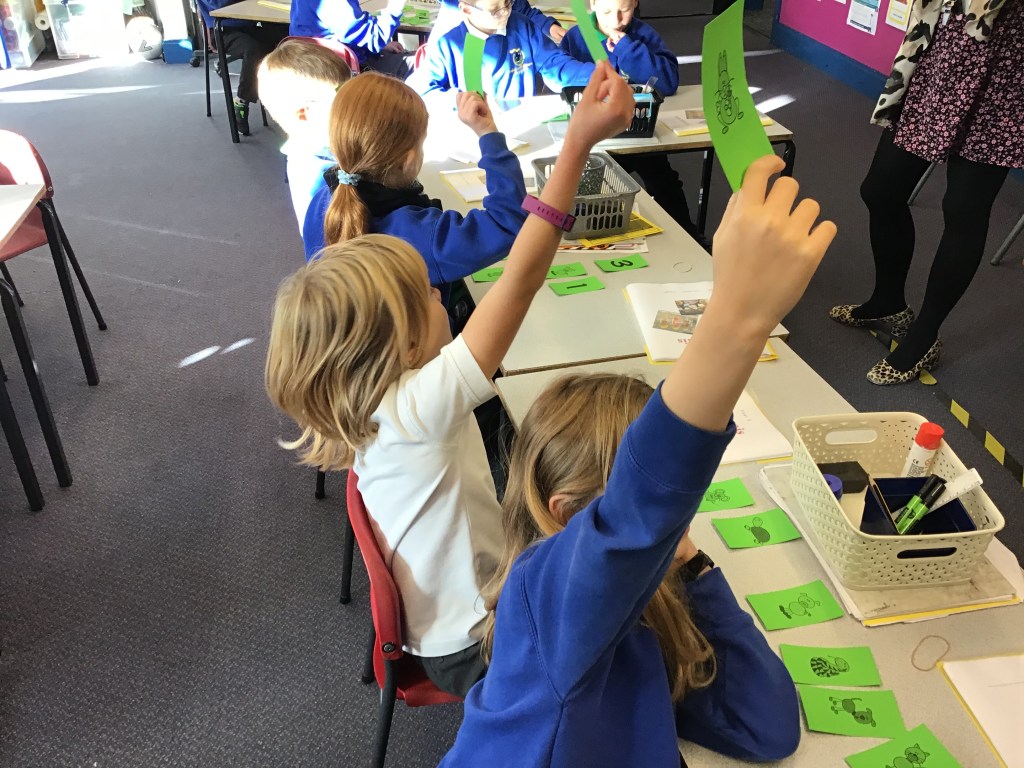
1b) Listen and recount
Follow along and repeat key words, phrases or short sentences from a song, rhyme, poem or story.
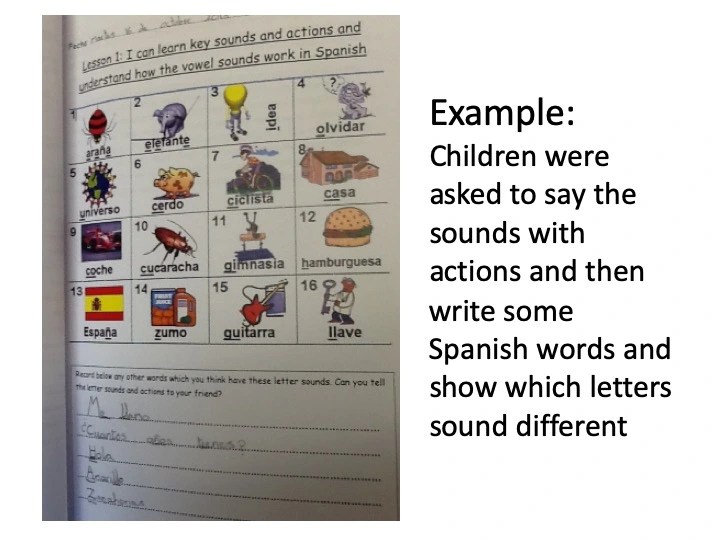
1c) Identify sound-spelling link
Identify phoneme/grapheme links in the target language and use them to aid understanding.
1d) Transcribe
Listen to the phoneme or words including the phoneme and transcribe accurately.
Reading
2a) Read
Read and understand some familiar written words and short phrases, sometimes using visual cues.
2b) Read aloud
Read aloud individual words and short phrases with accurate pronunciation.
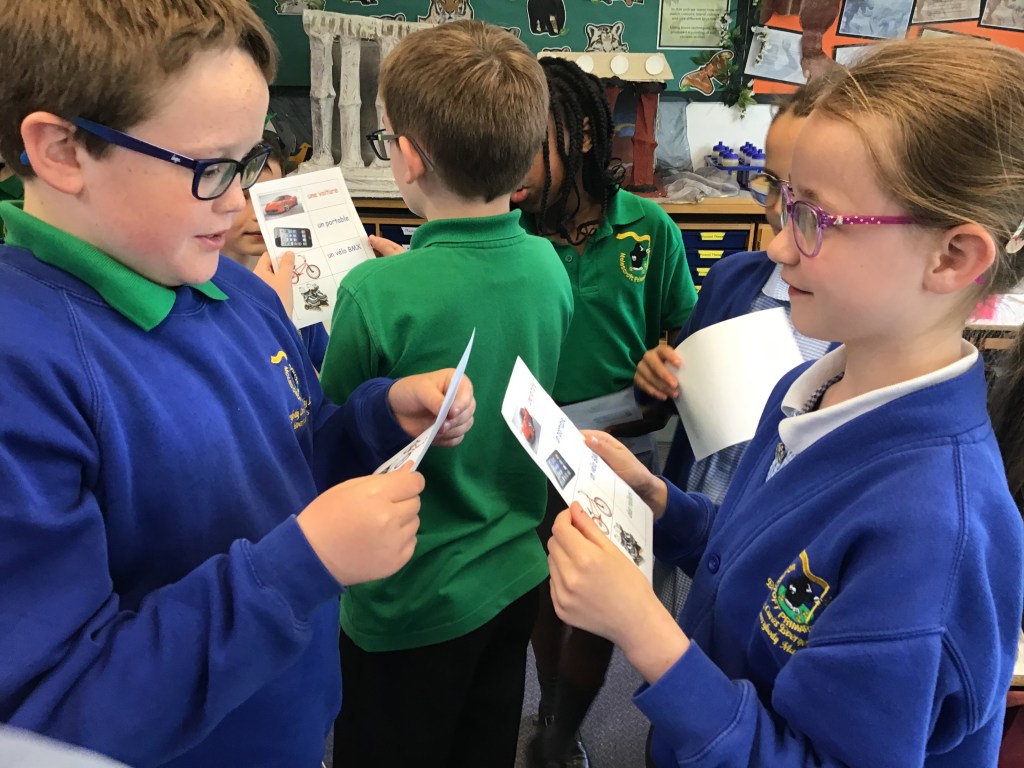
2c) Use reference materials
Identify familiar words in a text.
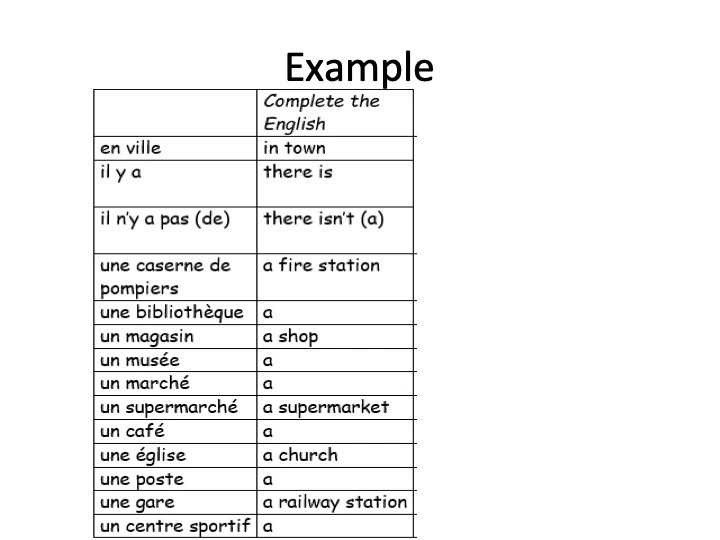
2d) Apply phonic knowledge
Read aloud words and short phrases, applying some phonic knowledge.
Speaking
3a) Speak
Repeat and say familiar words and short simple phrases, including likes and dislikes, using understandable pronunciation.
3b) Listen and Speak
Ask and answer simple pre-learned questions from memory and use several short phrases and questions.
Writing
4a) Write with support
Copy words and short phrases accurately.
4b) Write independently
Write some familiar simple words from memory, with plausible spelling.
4c) Adapt a written model
Substitute one element in a simple phrase or sentence to vary the meaning (e.g. the colour adjective or the noun).
4d) Translate
Translate words from French/Spanish to English and English to French/Spanish.
Cultural Capital
5a) Cultural capital
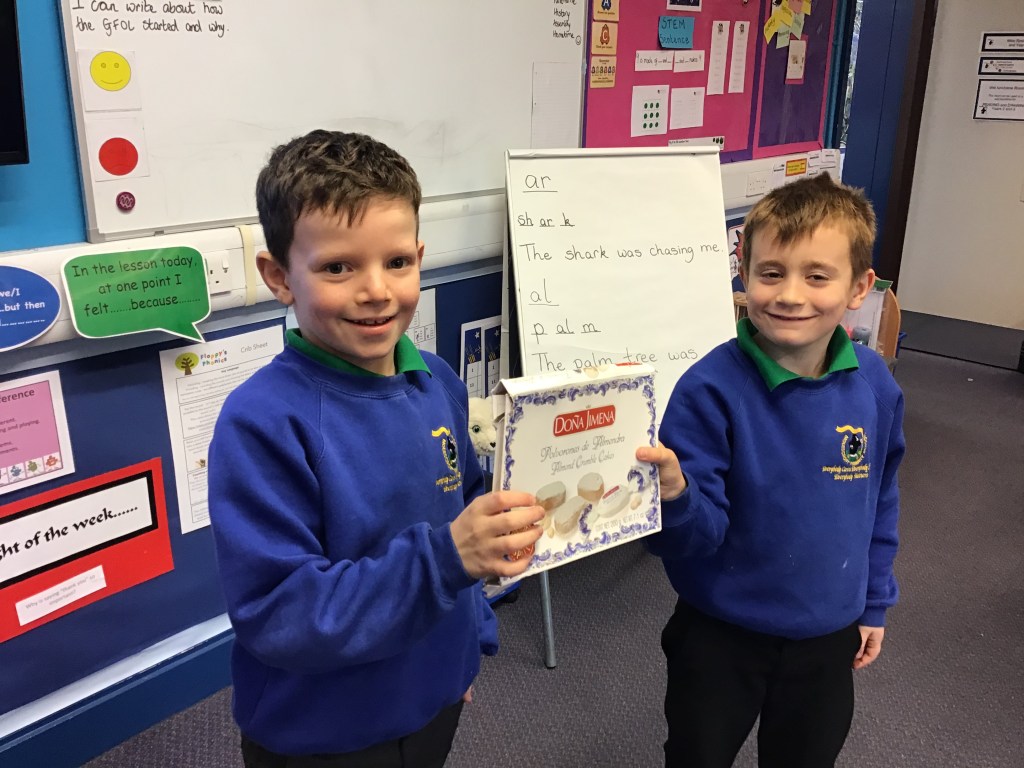
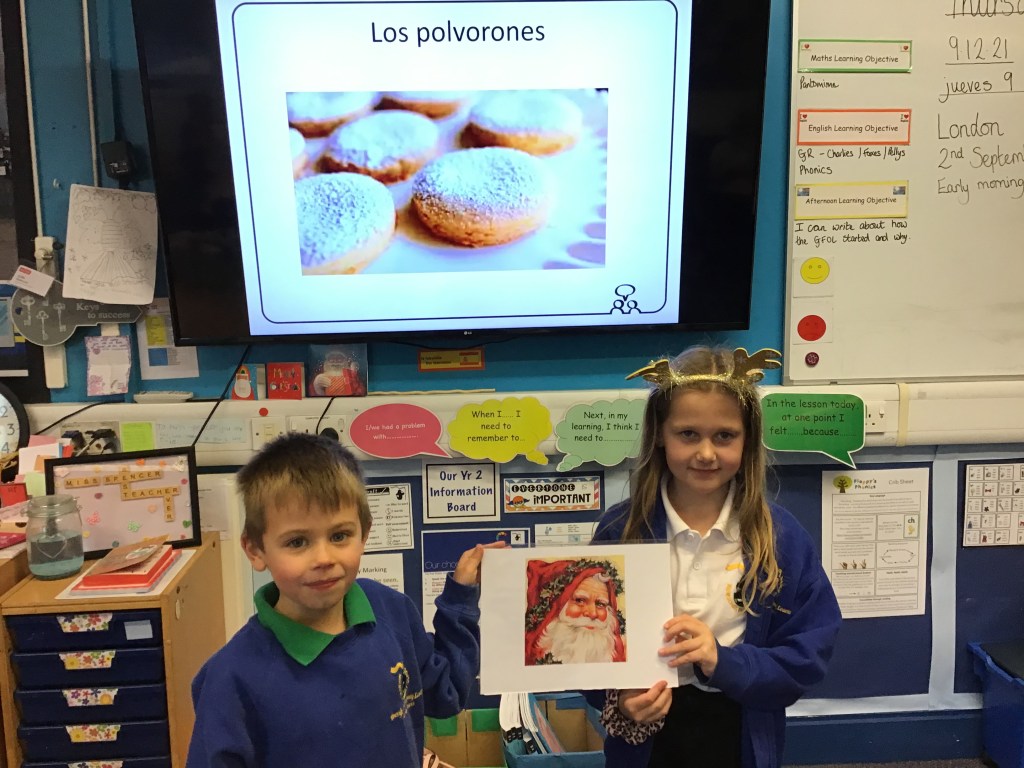
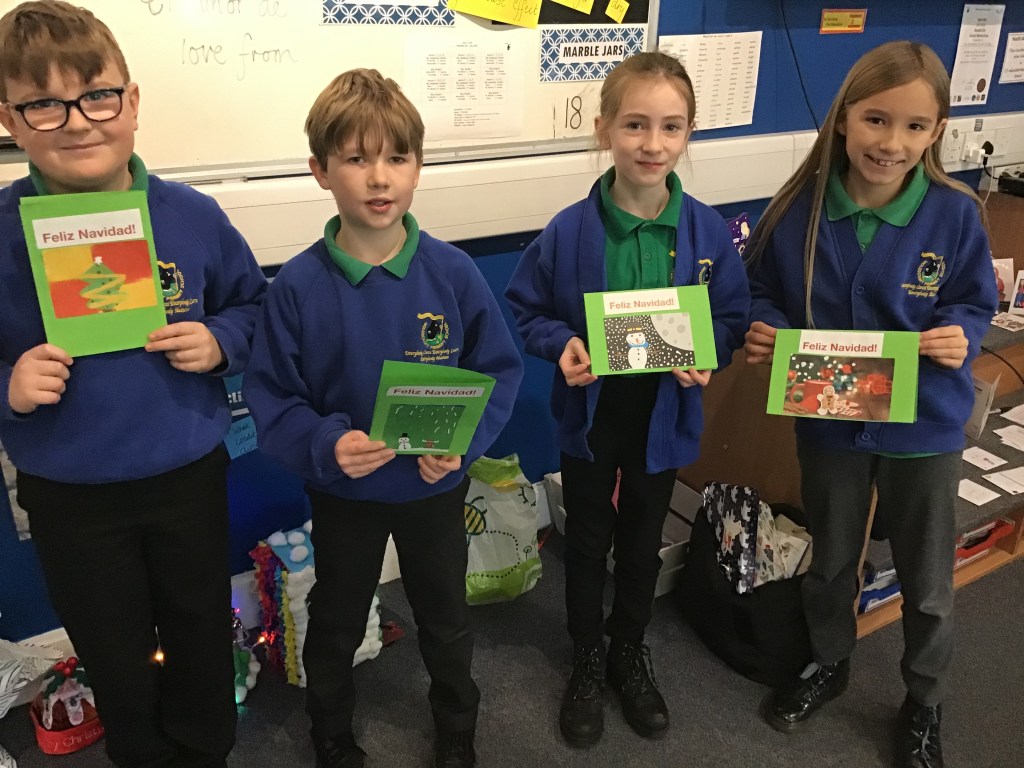
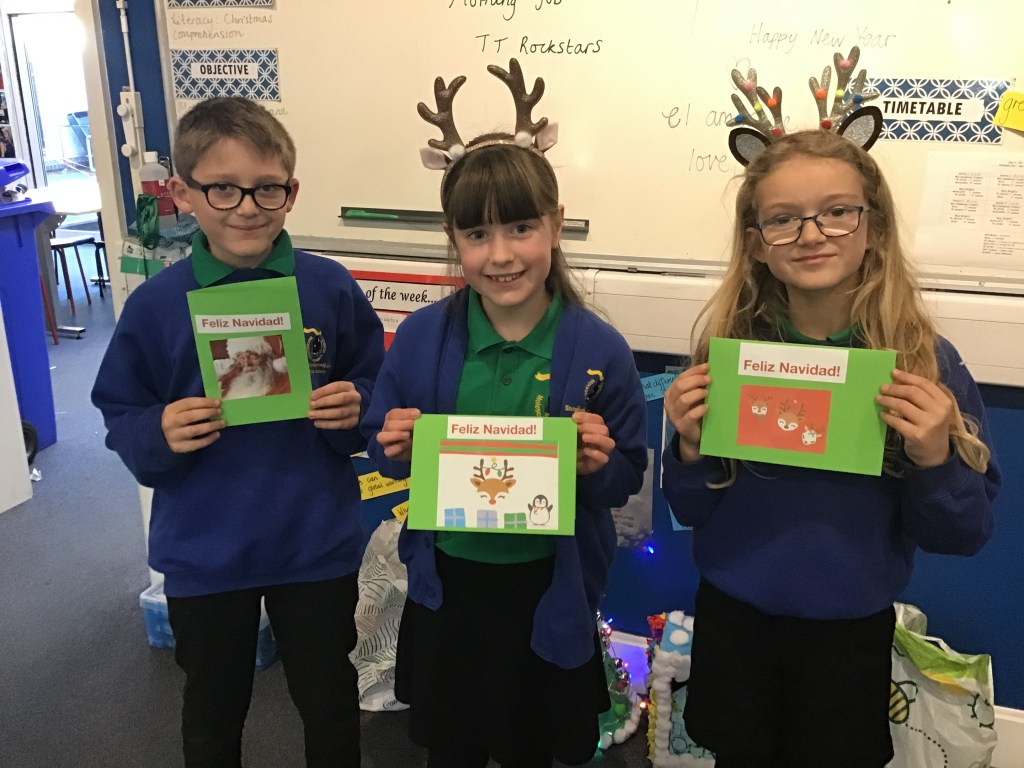
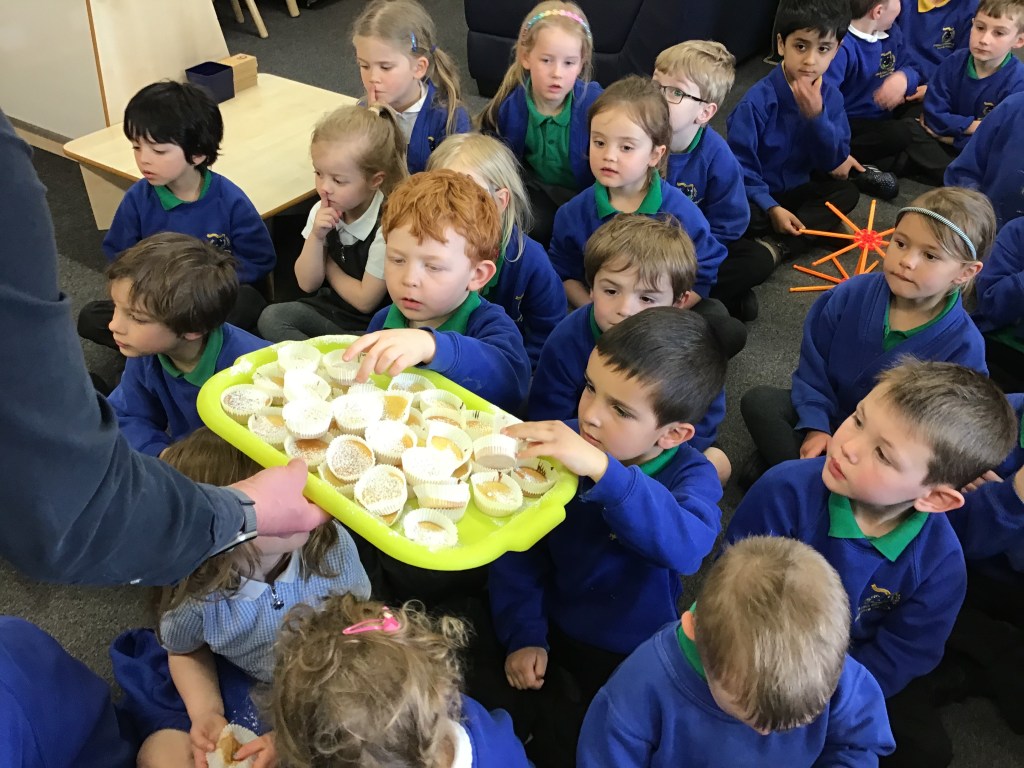
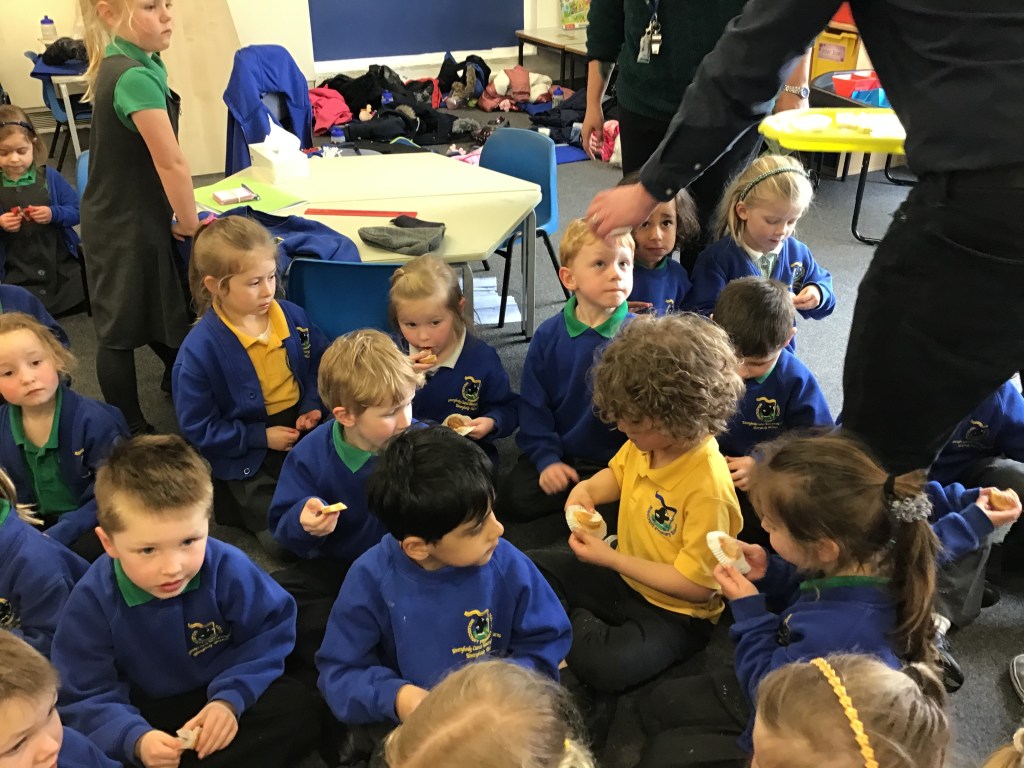
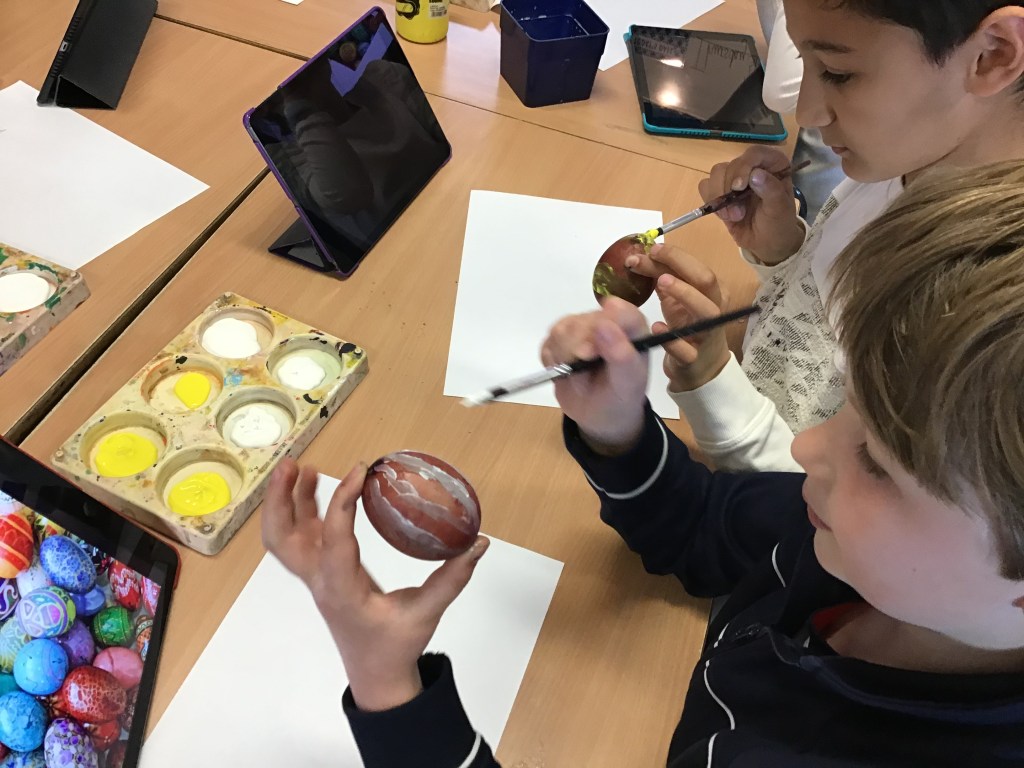
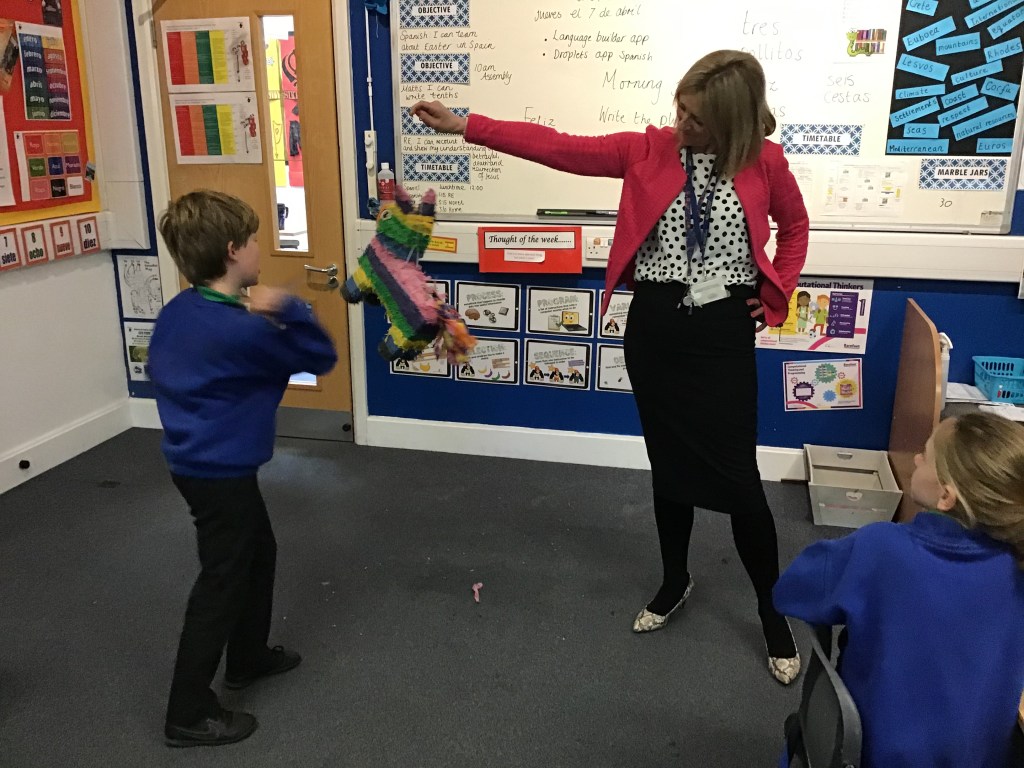
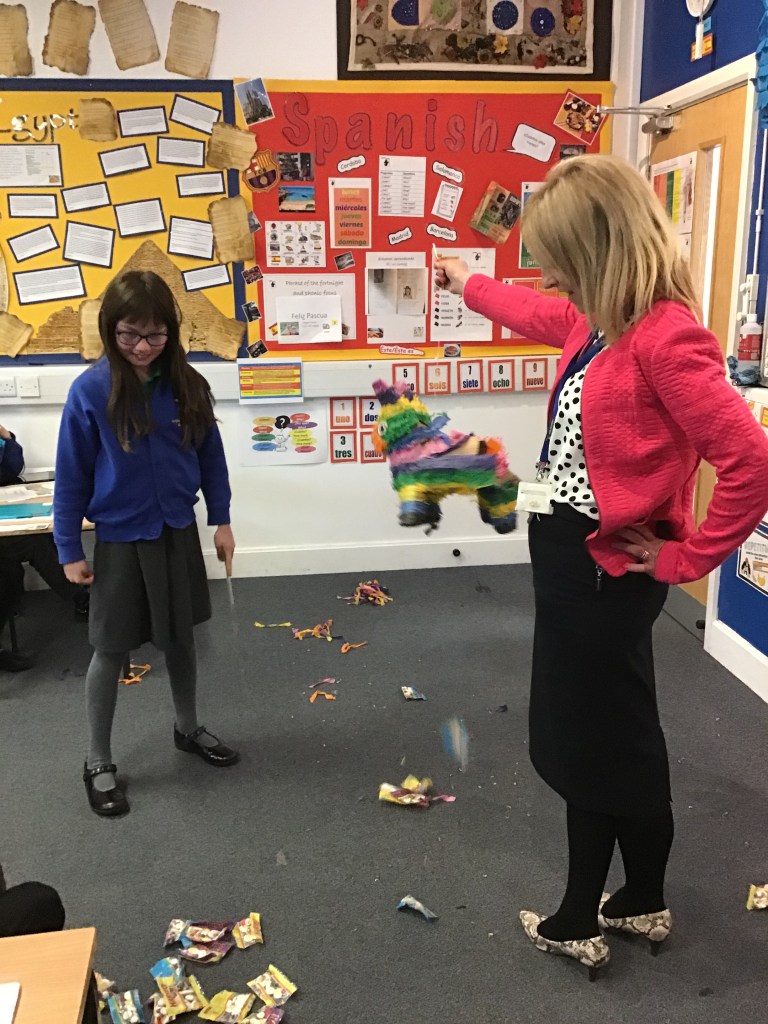
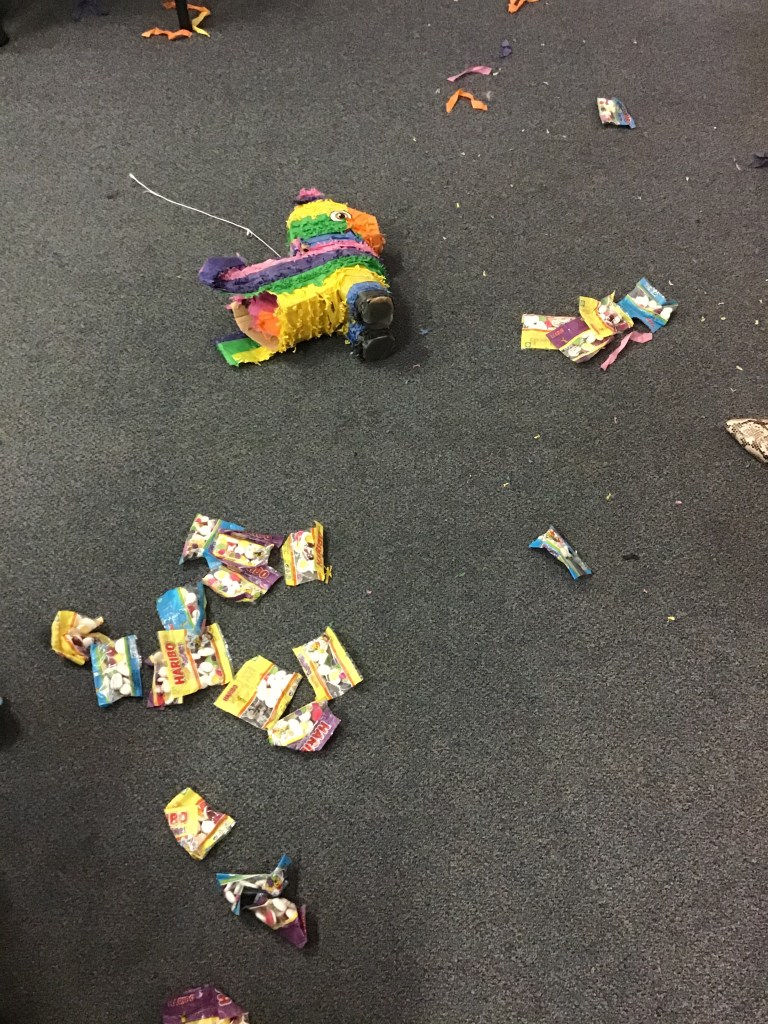
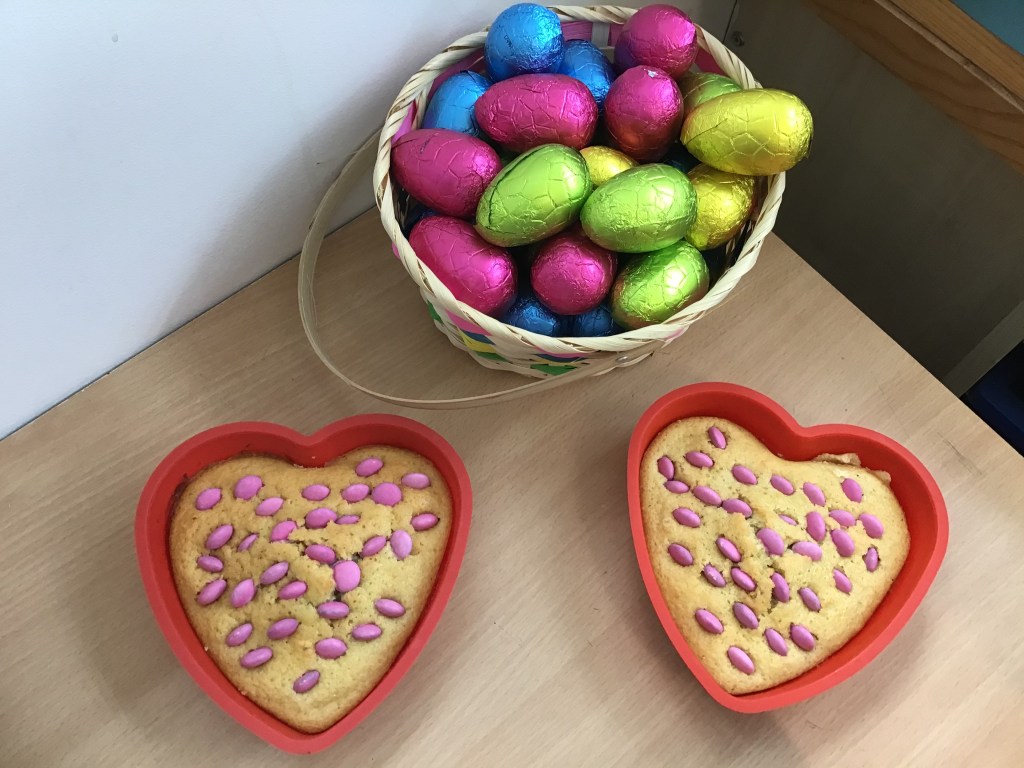
Foster children’s curiosity about France/Spain: an introduction to France/Spain and its capital city. Key vocabulary relating to traditional events, i.e. Christmas and Easter. Appreciate authentic songs and rhymes.

 PERLE
PERLE 